Letter – October 14th, 2026
Dear donors, navigating the situation in Nepal has been complicated by bureaucracy and desperate conditions; it is clear to us that the poor, victims of such severe natural disasters, will never be able to get back on their feet on their own.
Even if people are rescued following events like these, how will they manage to survive afterward? Where will they live?
Thousands of families have been shattered, widows left with many children, the elderly left entirely alone, and people with neither a roof over their heads nor a job, all in a cold land that is now becoming even colder. In the mountains, temperatures can drop as low as -15°C (5°F).
Often, people are moved to help by the emotion of the moment.
We are horrified by such tragedies and despair, yet we quickly try to forget them – the pain is simply too great.
I invite you to continue your support, even in small ways, to provide safety and dignity to those in such desperate need. I have attached some reports regarding the most recent disasters that occurred on October 11th.
Thank you from the bottom of my heart.
I have little else to add, other than to say that your support enables us to provide concrete, meaningful aid.
The Founder
Valeria Viola Padovani
Preliminary Flood Damage Report: Budhi Gandaki River Flood, Gorkha
Date: October 11th, 2026
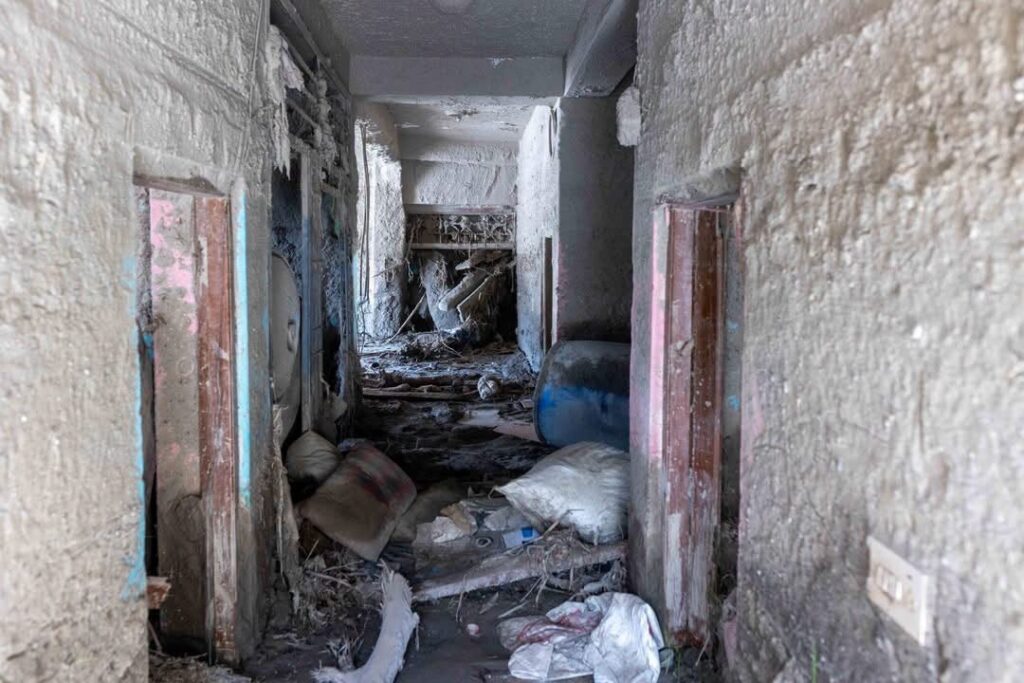
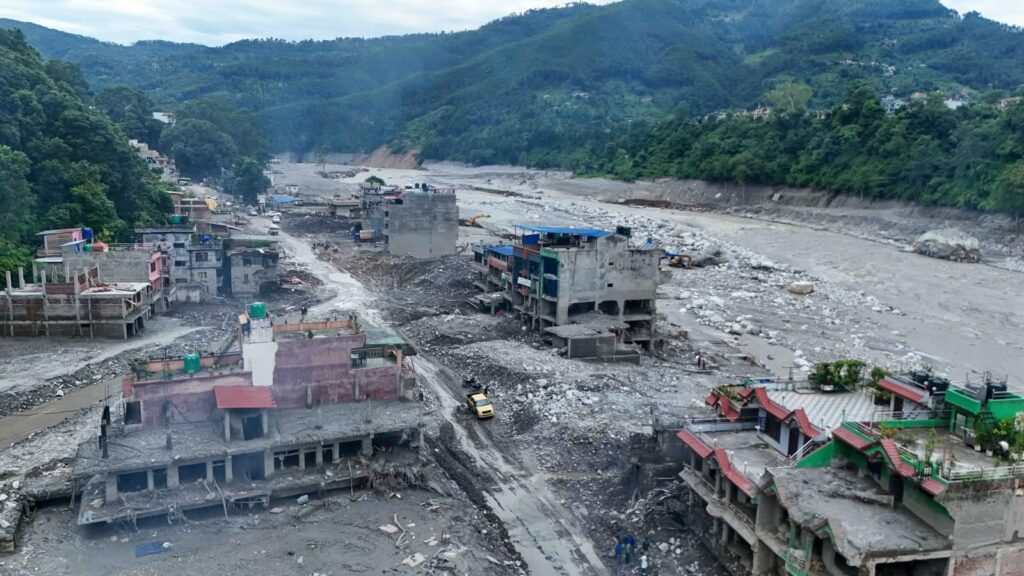
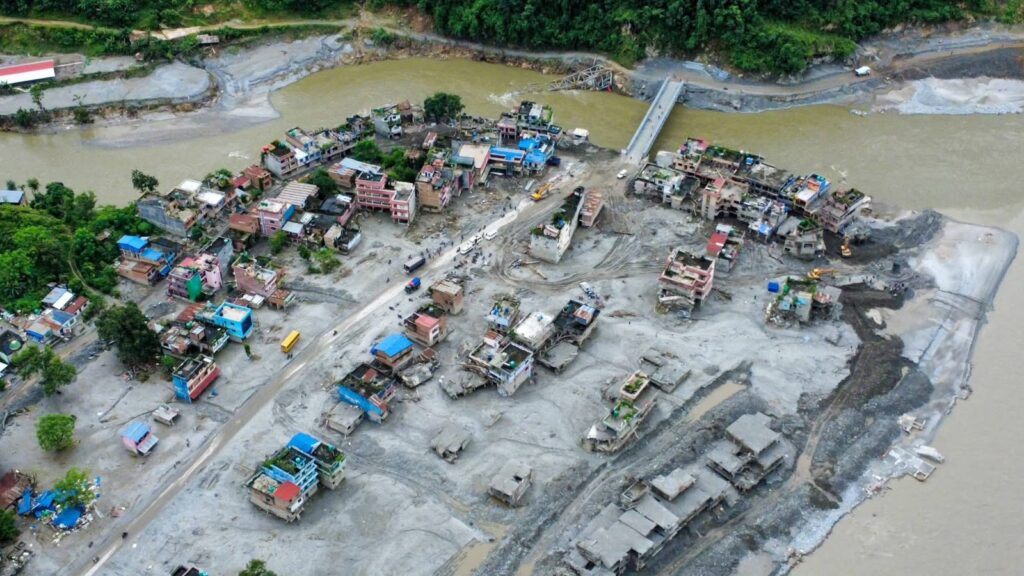
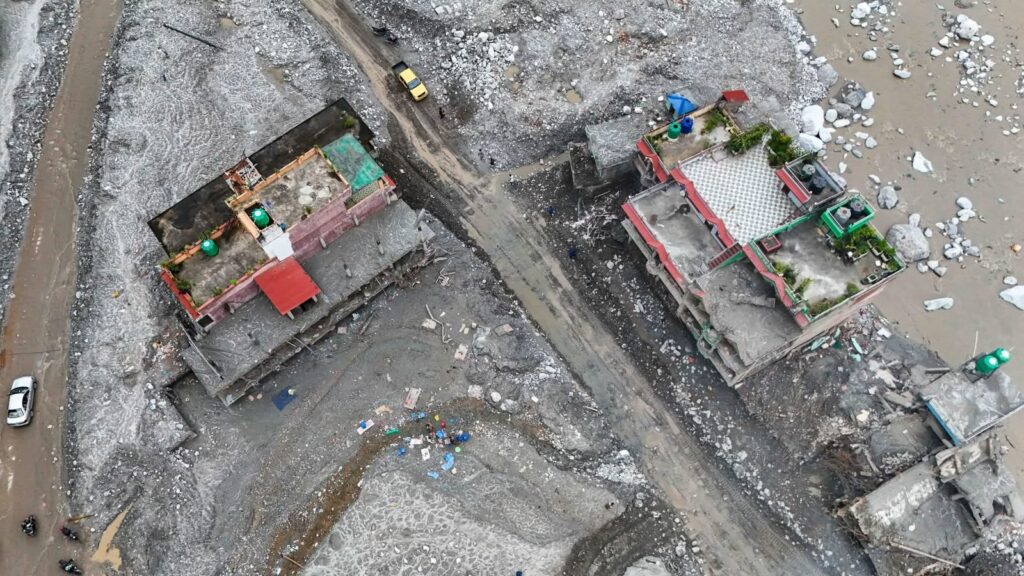
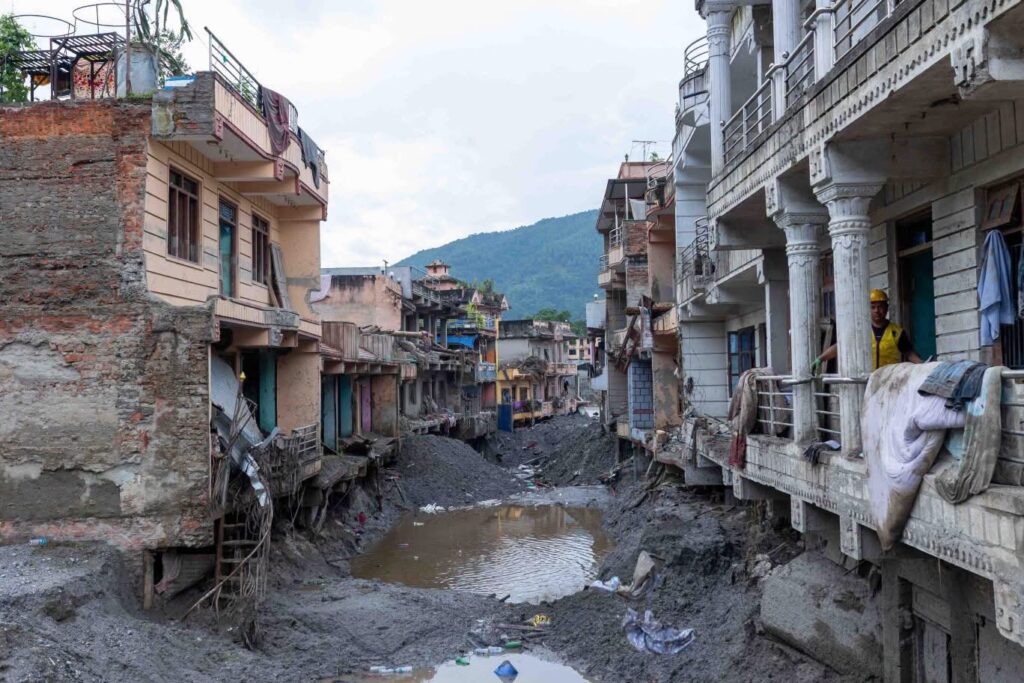
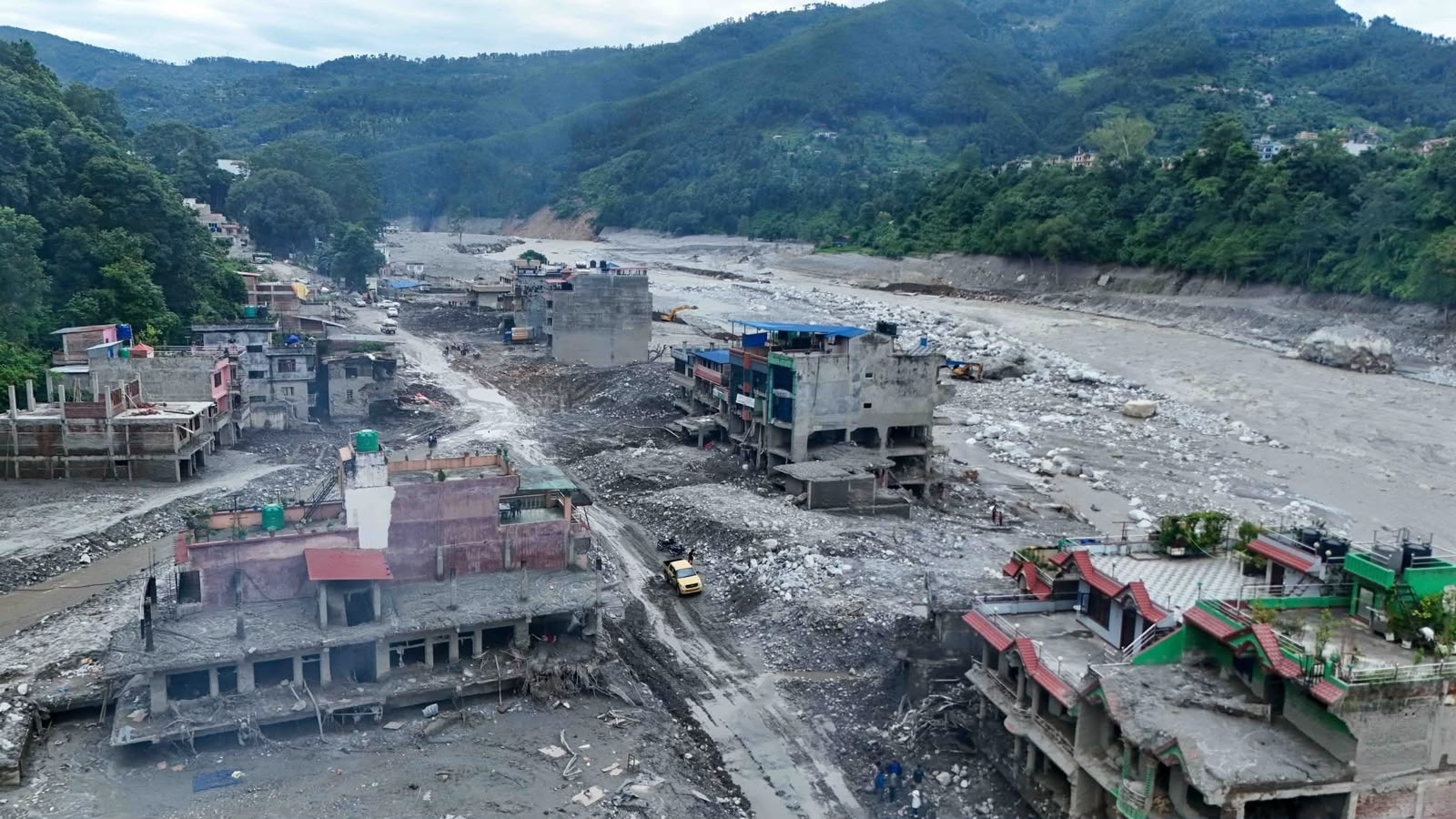
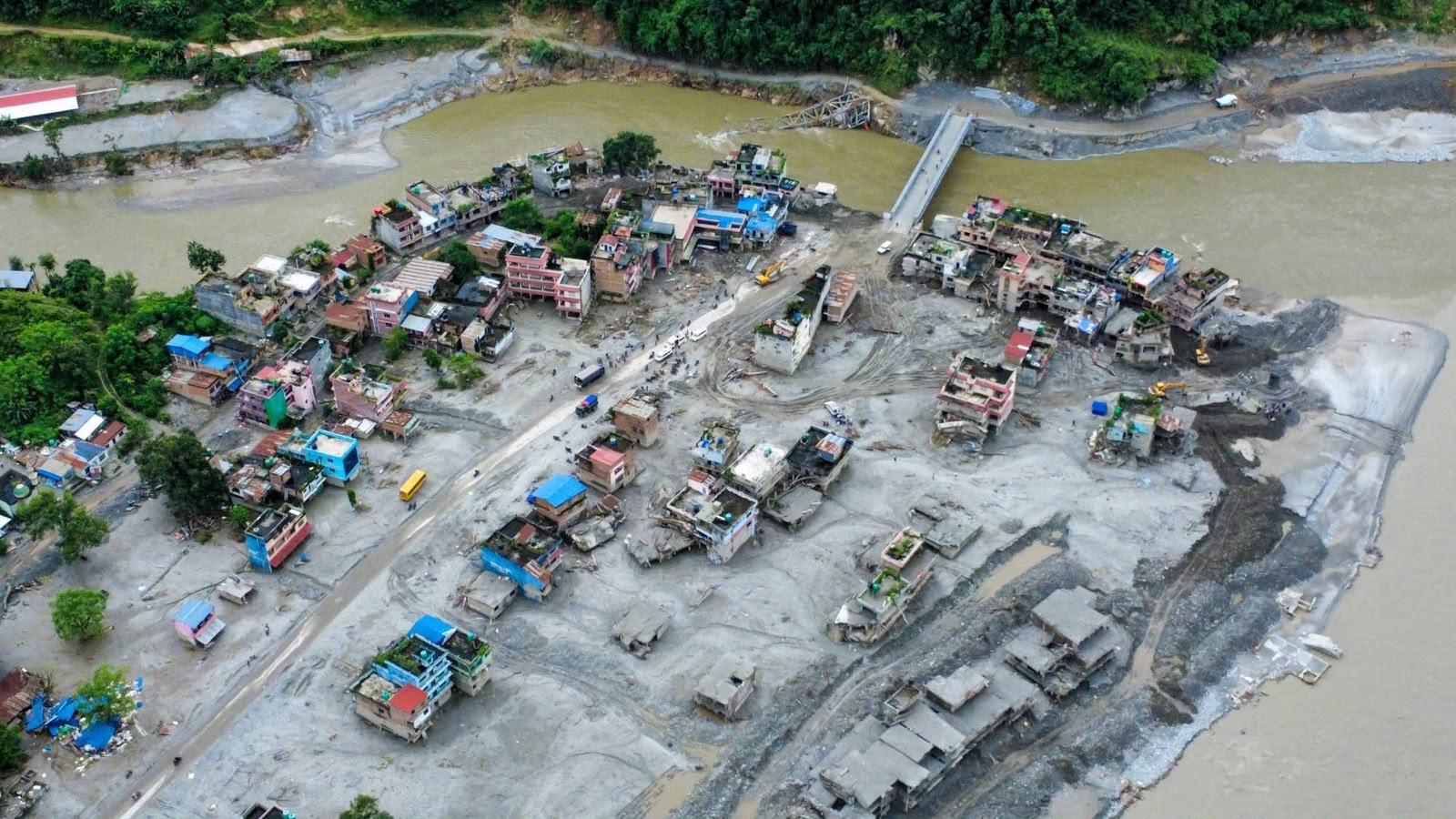
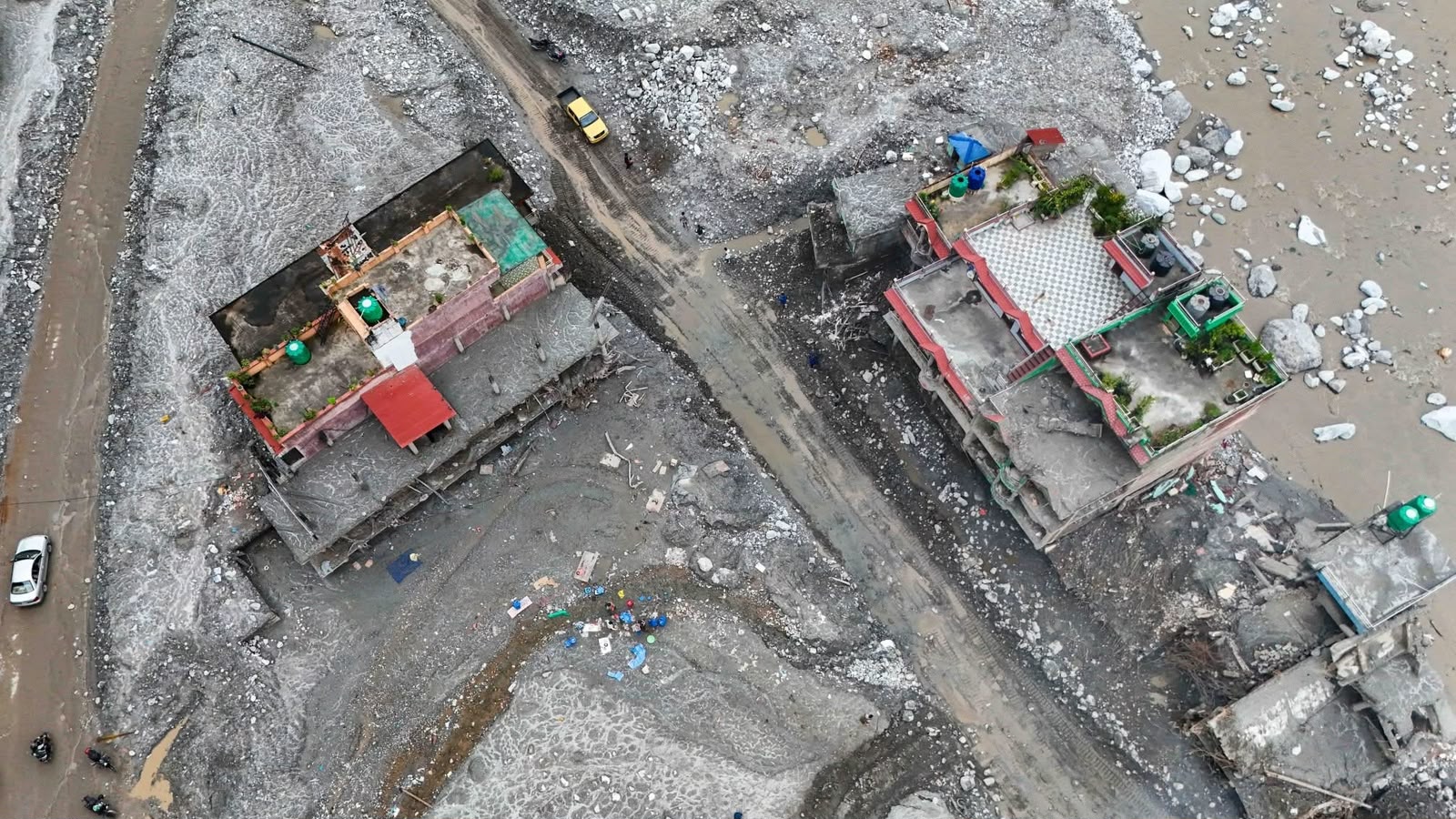
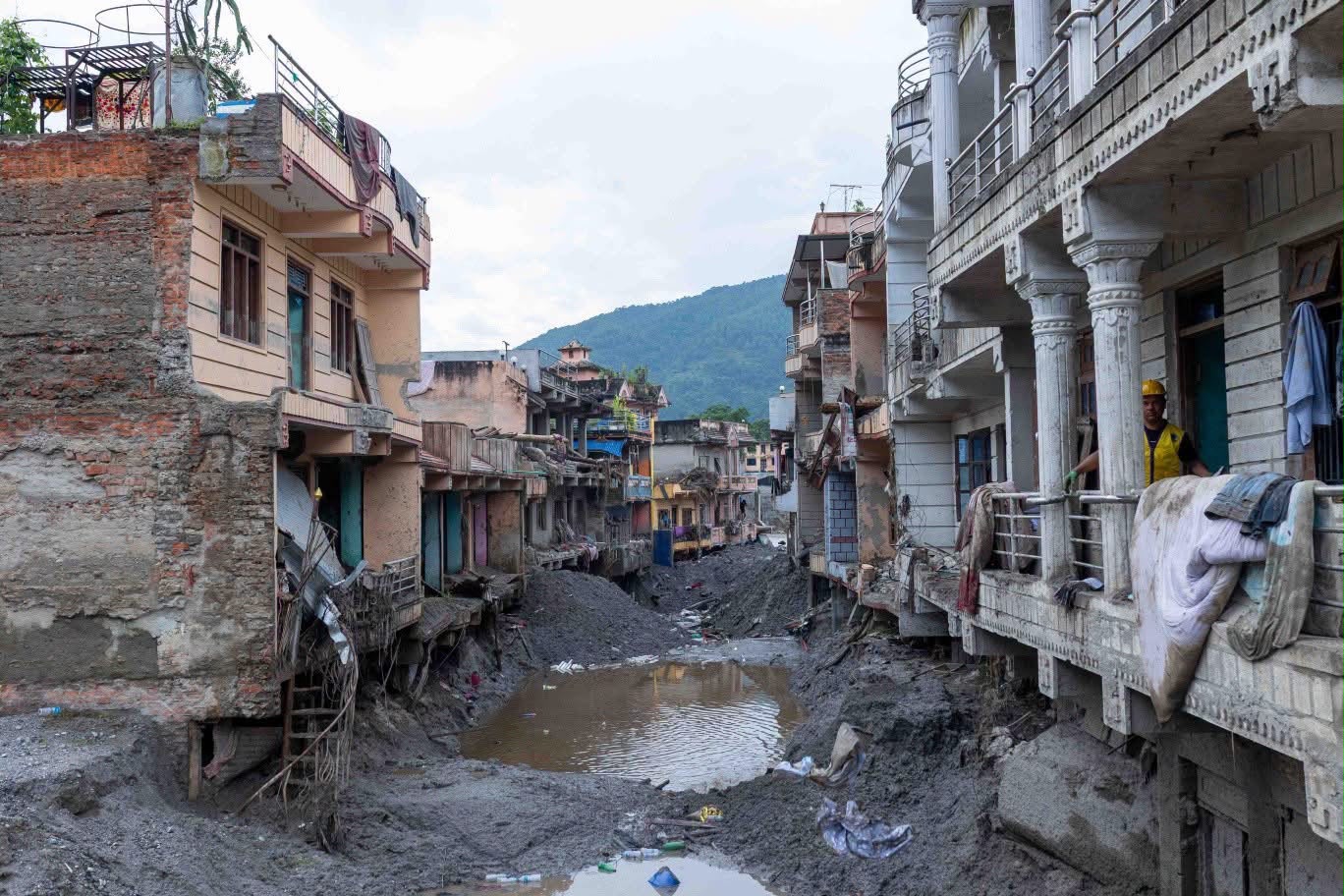
Based on direct conversations with the Chairperson, Vice-Chairperson, and ward chairpersons of Chumnubri Rural Municipality, the preliminary assessment indicates that more than 87 houses have been directly affected in Chumnubri, of which approximately 22 houses have been swept away. In addition, approximately 34 houses are estimated to have been partially affected in Chumnubri Rural Municipality.
In Chumnubri Rural Municipality, particularly Ward No. 3, significant damage has been reported in Saleri Bazaar, Bhatekhola, Sirdibas, Nyakchet, and surrounding settlements. In Saleri Bazaar, 35 out of 45 households are reported to have suffered house collapses, while 25 households in Bhatekhola have reportedly sustained complete damage. The old suspension bridge connecting Nyakchet and Sirdibas has been washed away. In Sirdibas, one house belonging to Ram Bahadur Gurung was washed away, while another was inundated. In Saleri, the under-construction Sahaj Urja hydropower project and approximately 7–8 surrounding houses have reportedly been washed away.
In addition
In Dharche Rural Municipality, approximately 23 houses are preliminarily estimated to have been partially affected. The suspension bridge connecting Machhikhola in Ward No. 5 with Kerauja has been washed away. Floodwater has inundated approximately 5–7 houses and a similar number of temporary structures in the lower settlement of Machhikhola. In Ward No. 3, Saleri, approximately 20–22 houses are reported to be at risk.
In Aarughat Rural Municipality, approximately 17 houses have reportedly been swept away, while around 45 houses are preliminarily estimated to have been partially affected. The iron bridge at Soti connecting Wards No. 2 and 3 has been washed away. The bridge at Naya Pul in Ward No. 9, connecting Aarughat in Gorkha with Dhading District, has sustained major damage, with the Gorkha-side section washed away and road access completely obstructed.
Rescue operations are ongoing in the affected areas. However, damaged bridges and disconnected road networks are restricting access to affected communities and creating significant challenges for rescue operations, relief delivery, and detailed damage assessments. Continued safety monitoring and timely humanitarian assistance are urgently required in vulnerable settlements.
The actual extent of damage, including the number of houses destroyed, swept away, partially affected, and the number of affected households and displaced people, has not yet been finalized. All figures are preliminary and require verification by the respective ward offices and local government units. Further assessments are necessary to avoid double-counting houses already included in other damage categories.
Source: Volunteer Corps Nepal, direct conversations with the Chairperson, Vice-Chairperson, and ward chairpersons of Chumnubri Rural Municipality, along with preliminary information from local authorities and the Gandaki Province Ministry of Health.
Statement by Nepalese Prime Minister Balendra Shah
Date: October 11th, 2026
A landslide occurred this morning between Lokpa and Chumling, in the Chumnubri-6 rural municipality (Gorkha District), triggering a surge of sediment and debris into the Budhigandaki River and causing extensive damage to downstream areas. According to available information, five people are missing, and search operations have been intensified. The floodwaters swept away suspension and concrete bridges, telecommunication towers, utility pylons, the base camp for the Budhigandaki hydroelectric project, construction machinery, and nearby homes.
Upon learning of the flood, a team from the Arughat area police station intervened to relocate residents from the riverbanks to safer ground. The National Disaster Risk Reduction and Management Authority (NDRRMA) issued SMS alerts at 6:00 a.m. to 221 emergency responders across the Gorkha, Dhading, Tanahun, Chitwan, Nawalparasi (East), and Nawalparasi (West) districts, ordering their immediate mobilization for rescue operations. Furthermore, the Flood Forecasting Division of the Department of Hydrology and Meteorology disseminated early warning messages via approximately 200,000 SMS, sent in two batches, to the population in areas stretching from Gorkha and Dhading down to Benighat, in the Chitwan district.
In total, 48 individuals, including 12 employees of the Budhigandaki hydroelectric project, currently under construction in Salleri (Gorkha), have been rescued and brought to safety. Search and rescue operations are currently underway in the affected areas. A contingent of 437 security personnel has been deployed to the site, comprising 127 members of the Nepalese Army (including three special forces units), 133 officers from the Nepal Police, and 177 members of the Armed Police Force, along with four Army helicopters. A three-person expert team, including geologists and drone operators, has been dispatched to investigate the causes of the event. An additional 50-member team from the Nepal Police’s Disaster Management Training School has been placed on standby, ready to intervene.
The Authority’s Disaster Response Command Center is in permanent session. These meetings have led to the issuance of directives, as well as the coordination and facilitation of necessary actions with relevant agencies regarding continuous flood monitoring, situational analysis, information dissemination, and emergency response operations.
Information concerning the flooding is being continuously disseminated through the social media channels and media outlets of the Authority and other involved agencies. Essential relief supplies are being transported via both land and air. Teams led by the Directors General of the Department of Roads and the Department of Local Infrastructure Development have been mobilized to assess road accessibility and the feasibility of installing Bailey bridges.
Rapid response teams at the district level (from Gorkha, Lamjung, and Tanahun) have been placed on alert, as have emergency medical teams, including physicians, at the provincial and local levels, under the guidance of the relevant health authorities. Relevant ministries and agencies have been instructed to assist in the recovery of tourists stranded in the affected areas.
The government has initiated the necessary measures to restore normalcy to daily life in the affected zones and to bring damaged infrastructure back into operation. Preparations are already underway for the installation of a Bailey bridge in Arughat.
We urge residents living along the banks of the Budhigandaki River to remain in safe locations, avoid using dangerous bridges or roads, and follow the directives issued by local authorities and law enforcement.
Thank you